
CIRCUS COMPANY’s AI Team Power, Now at the Terminal
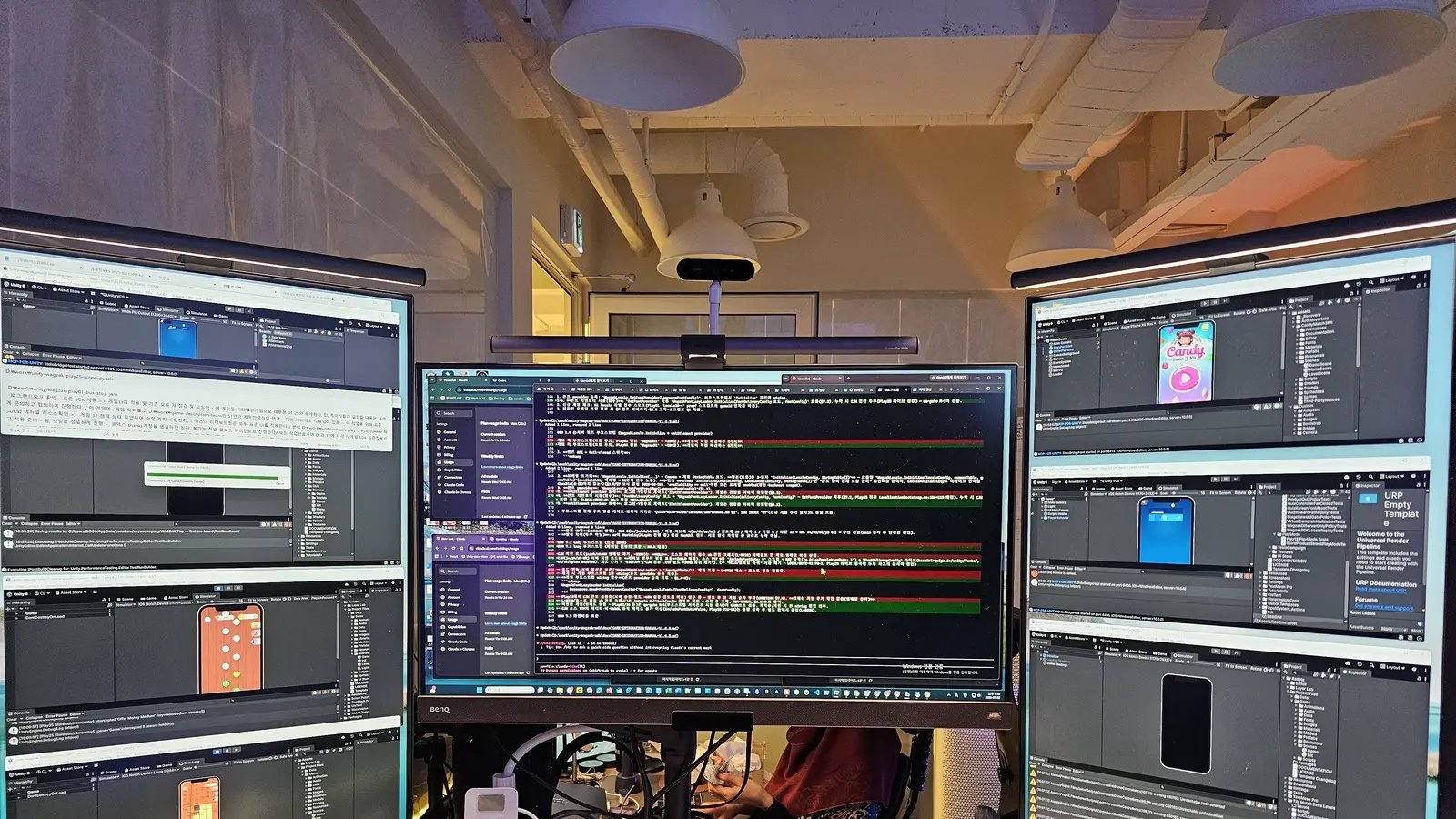
· Five people completed in two months what once required 30 — the key was clear goals, purpose, and systems
· Human work became clearer: strategy, direction, decisions, responsibility, and seeing what AI cannot
It’s been over a year since our Monday morning meetings disappeared. Instead of weekly meetings — we read books and pay closer attention to one another’s thoughts.
Planning meetings, design reviews, development scheduling meetings, marketing meetings. We automated the meetings that used to fill our calendars and organize everything in md files at the terminal. Where we gather is neither Slack nor a meeting room. It is the terminal.
The change began in March 2025. This is a record of what has happened to us since, and the first installment of the series to come, “From the Terminal.”
Meetings in March 2025 — one idea took far too many steps
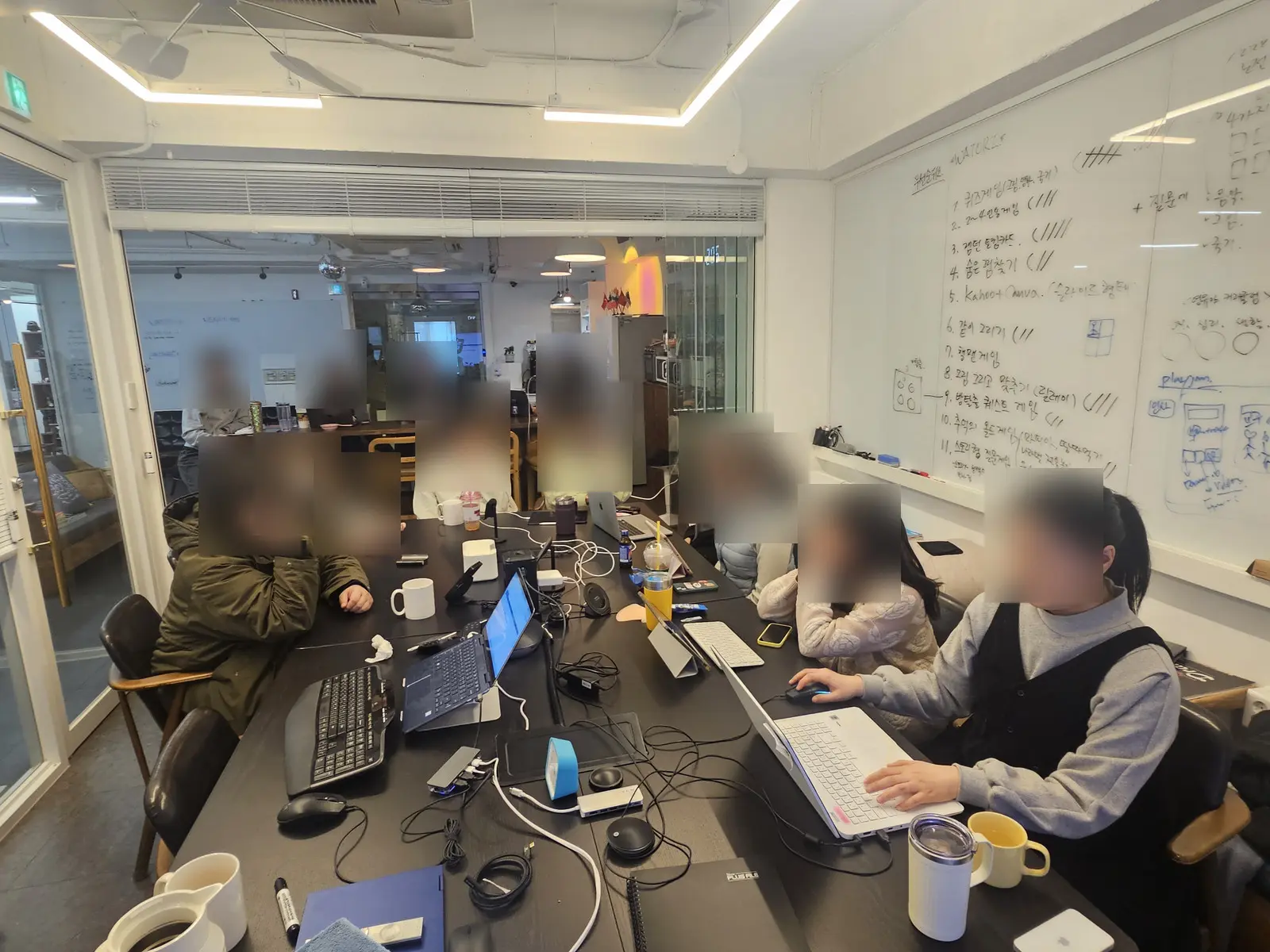
The planning team made a document, the design team drew up mockups, and we asked the development team. “Can this be built?”
We researched the market, investigated the technology, piled tickets into the management tool, and filled our weeks with meetings. Each team worked within its own specialty, while documents and meetings connected one part to another.
In 2020, there were 30 of us. Everyone came together and gave it their all. Even so, when we ran three or four projects at once, the nights felt too short, and finishing one often took more than a year. It wasn’t that we lacked people or skill. We were always short on time, with too much work and too many steps.

The work of 30, done by five — possible with precise goals, systems, and direction
Back then, even 30 people working through the night never had enough time. Now, five development crew members can accomplish even more in two months.
The secret is not squeezing more out of people. It is clear goals, purpose, and systems — and collaborating with AI on top of that foundation. When the goal is vague, AI quickly races in the wrong direction. Research also shows that the leading cause of AI project failure is not the technology, but how the question “What are we trying to solve?” is defined.
This is not really a new story. The software engineering classic The Mythical Man-Month wrote half a century ago that “adding people to a late project makes it later.” Five people have ten channels of communication; 30 have 435. Only one thing has changed — those five now have an untiring collaborator beside them.
Those 30 people back then were not lacking. The best they gave became the foundation of what we do today. The time we were always missing has finally been restored.
We moved to the terminal — the entire crew now works on servers
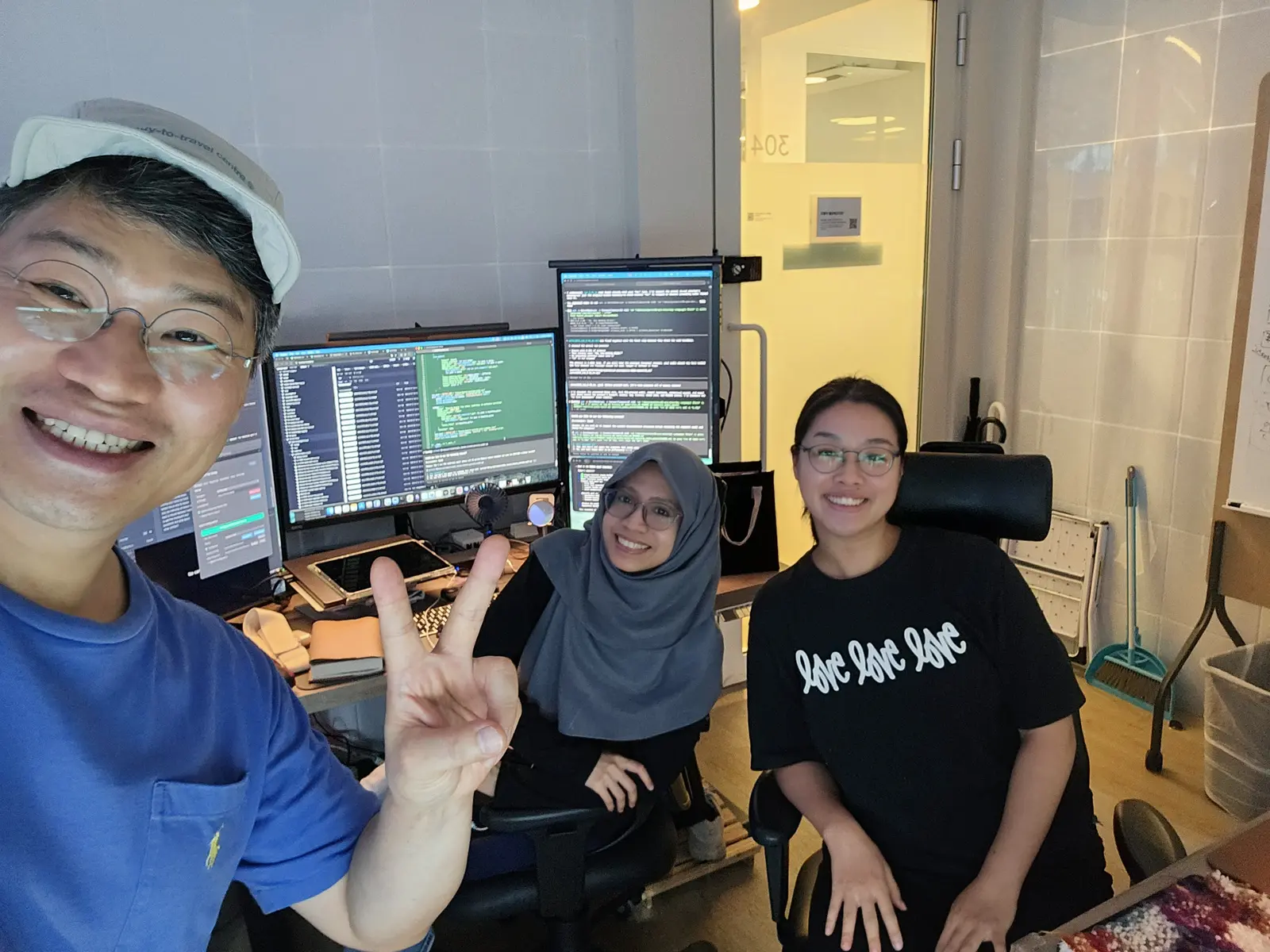
At first, we had simply introduced one tool. Now the entire crew collaborates through the terminal and five servers. Crew members from six countries connect to the same servers and work with AI from their own screens.
When an idea comes to us, we record it by voice, share it with the crew, and analyze it closely with AI. Then we set the direction together, establish how to improve it and what value it should have, and meet again at the terminal.
With AI, we design in greater detail, implement, and quickly build prototypes for validation. Instead of asking whether something will work or can be done, we build it right away and see for ourselves.
We put it on the test server that same day, immediately run a canary to gauge the market’s response, revise it, and plan again. The team no longer asks, “Can this be built?” We live in an age when thought can become action at once.
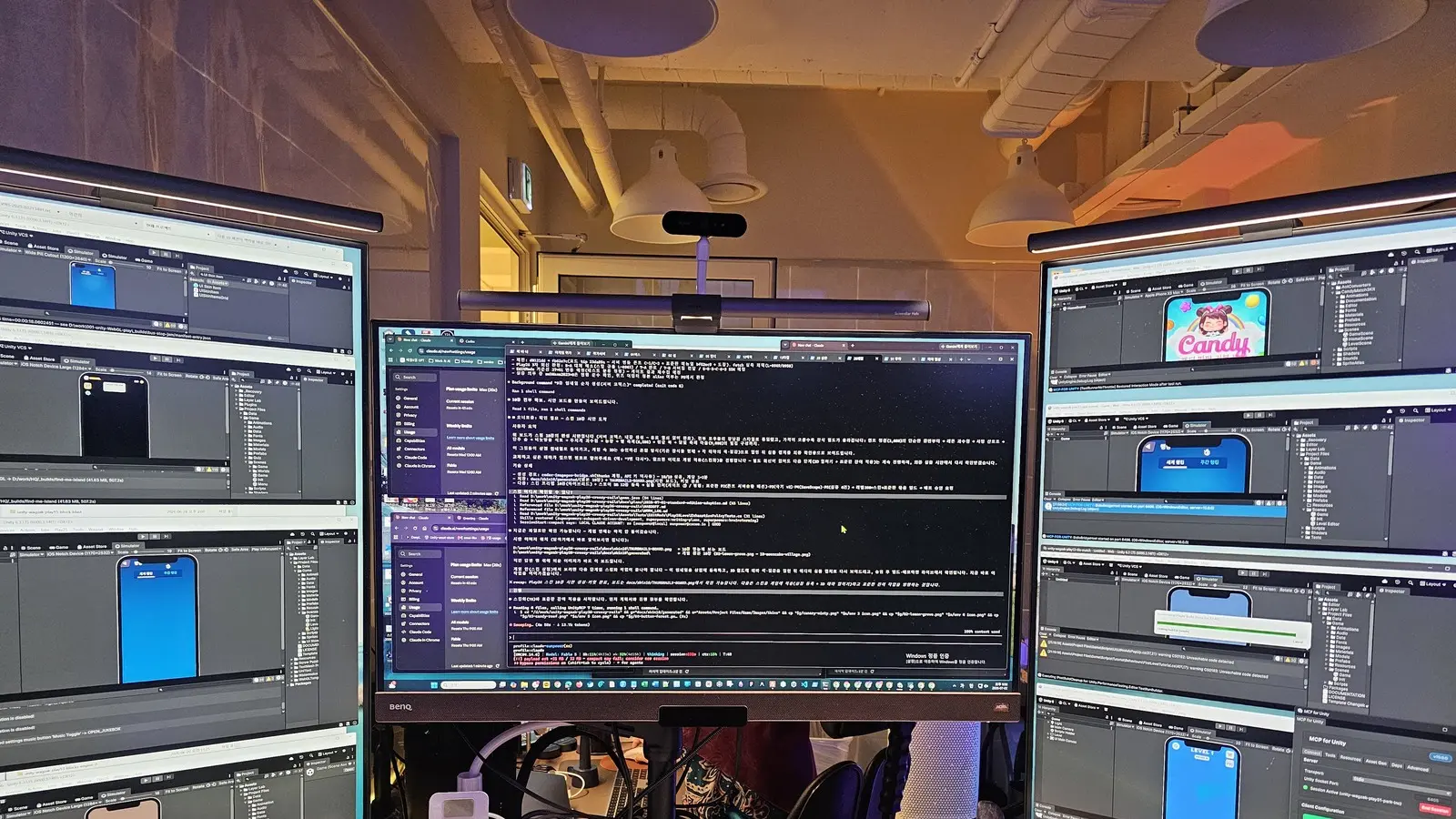
A designer uploads a Unity build. Conducts market research and writes strategy documents. A planner reads code, and a developer polishes copy. Roles have not disappeared. The entire process has opened up on top of each person’s core abilities.
What we made this way is live now: Ssaktane, which reads government support programs for you; JUMP, an AR learning app for children; ZEMINA, which returned to paper; the ad-free game platform Quiga and personality analysis Quiga128; and WAGZAK Play. Most are served worldwide in 51 languages.
What AI can never do — human work has only become clearer
What should we make? Why are we making it? Where are we going? Setting strategy and direction, making decisions, and taking responsibility for those decisions. AI does not do that for us. AI quickly makes what it is told to make, but deciding what to ask of it is always a human job.
And one more thing — seeing what AI cannot see. Finding the one line that is off in a polished result, or looking at a convincing screen and recognizing, “This isn’t us.” We have made and discarded more than we have made and released.
In the previous post, I wrote that there is no one-click shortcut — a year and a half later, I still believe the same thing. In the end, it comes down to care, persistence, and how firmly the goal is set.
With clear goals and systems, five people can do development work that once required 30.
Efficiency and fit — and one question we still haven’t answered
People often ask, “Does that mean you need fewer people?” Honestly, the same work now requires fewer hands. But this is not a story about shrinking the organization. It is about finding efficiency and fit.
AI did not replace people. It multiplied their core abilities, bringing us to a stage where an idea can be put into action immediately. A team where everyone is a planner, designer, developer, and strategist — that is CIRCUS COMPANY today.
This series will continue. How a designer handled Unity development and market research, the list of things AI could not do, how five people operate in 51 languages — one by one, I’ll share the things we experienced and put into practice.
But there is still one question we haven’t answered. When everyone can do everything, what makes a team a team? I’ll write here about our search for that answer too.
Our conclusion after a year with AI — there is no one-click shortcut
There was no magic that finished everything with one button or one click. Everything good emerged only through human goals, persistence, and validation.
AI does not give us miracles. Instead, it gives time back to a team that truly cares. With that time, we make what comes next.