
Quiga Has No Ads—So How Does This Ad-Free Game Make a Profit?
Update (2026-10) — Quiga now makes all games available for free and is supported by ads below the game screen.
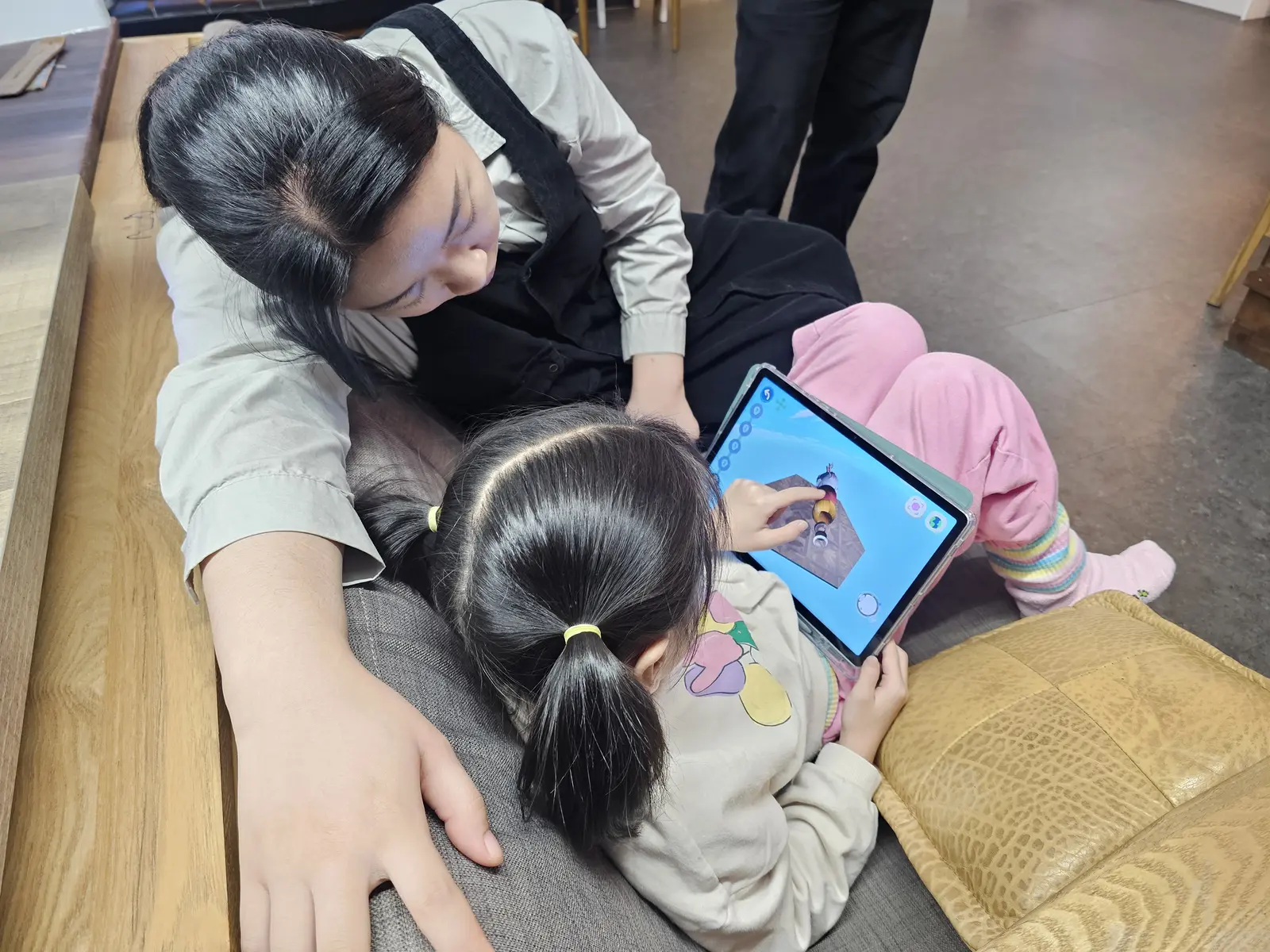
One evening, in a Circus Company crew member’s living room, a child came over holding a tablet and said, “It says it’s free! Let’s play together.” That was exactly what the store listing promised: “Free game · no ads.”
It took only a few rounds for the story to change. Video ads interrupted every level. Winning meant spinning a loot box. A payment window appeared in a game that was supposed to be “free.” And an adult hand reached across to cover the screen before a child could see it. Even though we have spent years making games and content, we still worried every time that our hand might be too late.
Why — “Free, with no ads” was too often an empty promise
We wanted to know whether it only felt that way, so we took our own screenshots of the free web games children actually visit. What we found was worse than expected: ads for adult games placed right beside family games, and banners wrapping around half the loading screen.
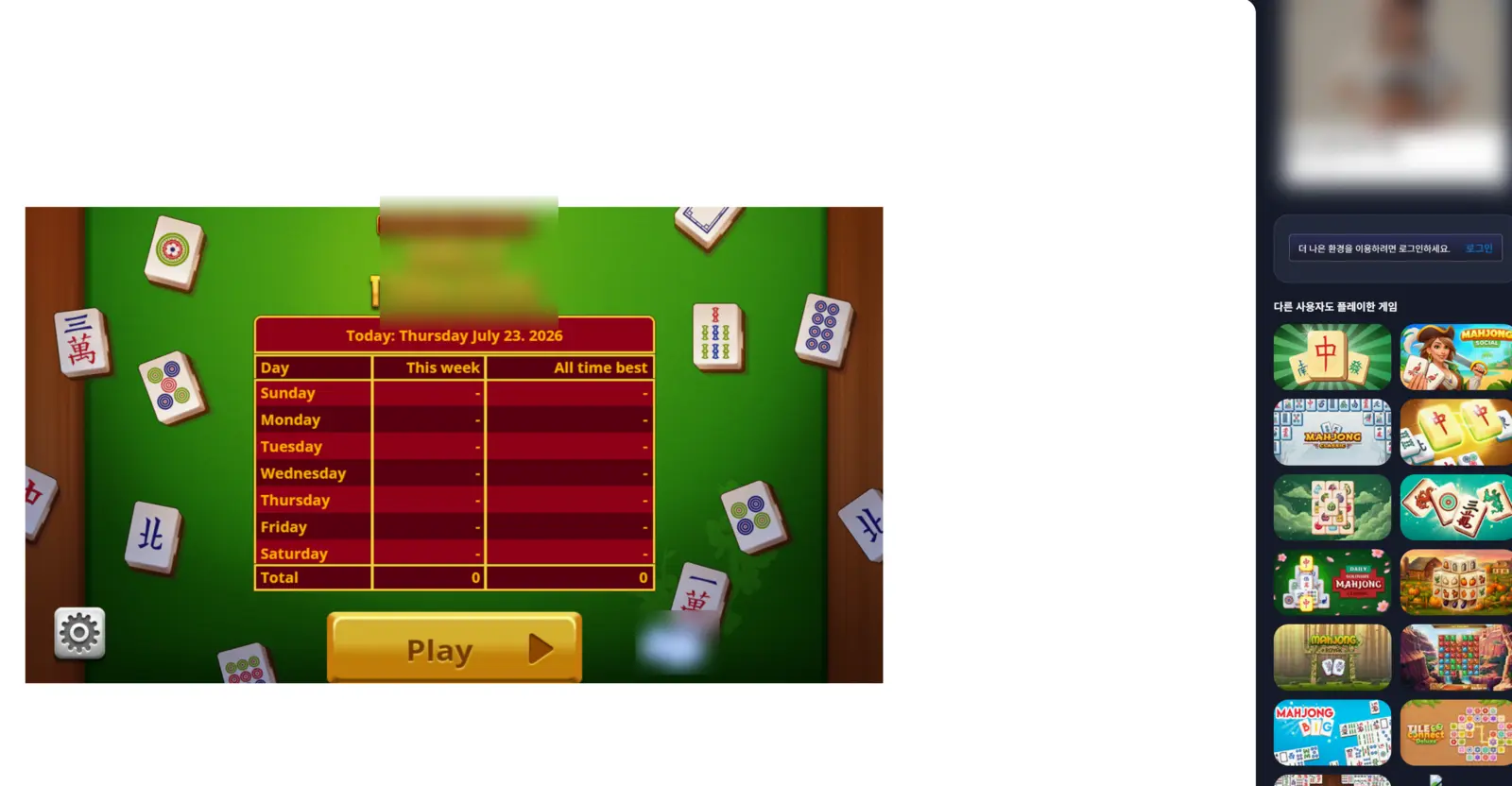
Research tells the same story. One study found that 95% of popular apps used by children age five and under contained advertising (University of Michigan, 2020). Please don’t misunderstand us—games are not the problem. Mahjong, puzzles, and block-building can all be wonderful ways to play. The problem was not the game, but the environment around it.
A promise of “free” led to watching ads; ads led to pressure to pay; payments led back to loot boxes. We could no longer accept that cycle while sitting beside our children.
How — We built by taking things away
So we decided to build backwards. While everyone else was adding more, we began by removing things. Zero ads · zero loot boxes · zero hidden payments · zero sales of children’s data · zero installs · zero forced sign-ups. Quiga’s six zeros are not a marketing line. They are our design principles.
Focus instead of ads. Trust instead of charges.
The idea was simple; the work was not. At our Seoul studio, we built prototypes, broke them, and built them again. Even for a single grocery-shopping game, we redrew everything over and over, asking one question: “Can a five-year-old start without an explanation?”
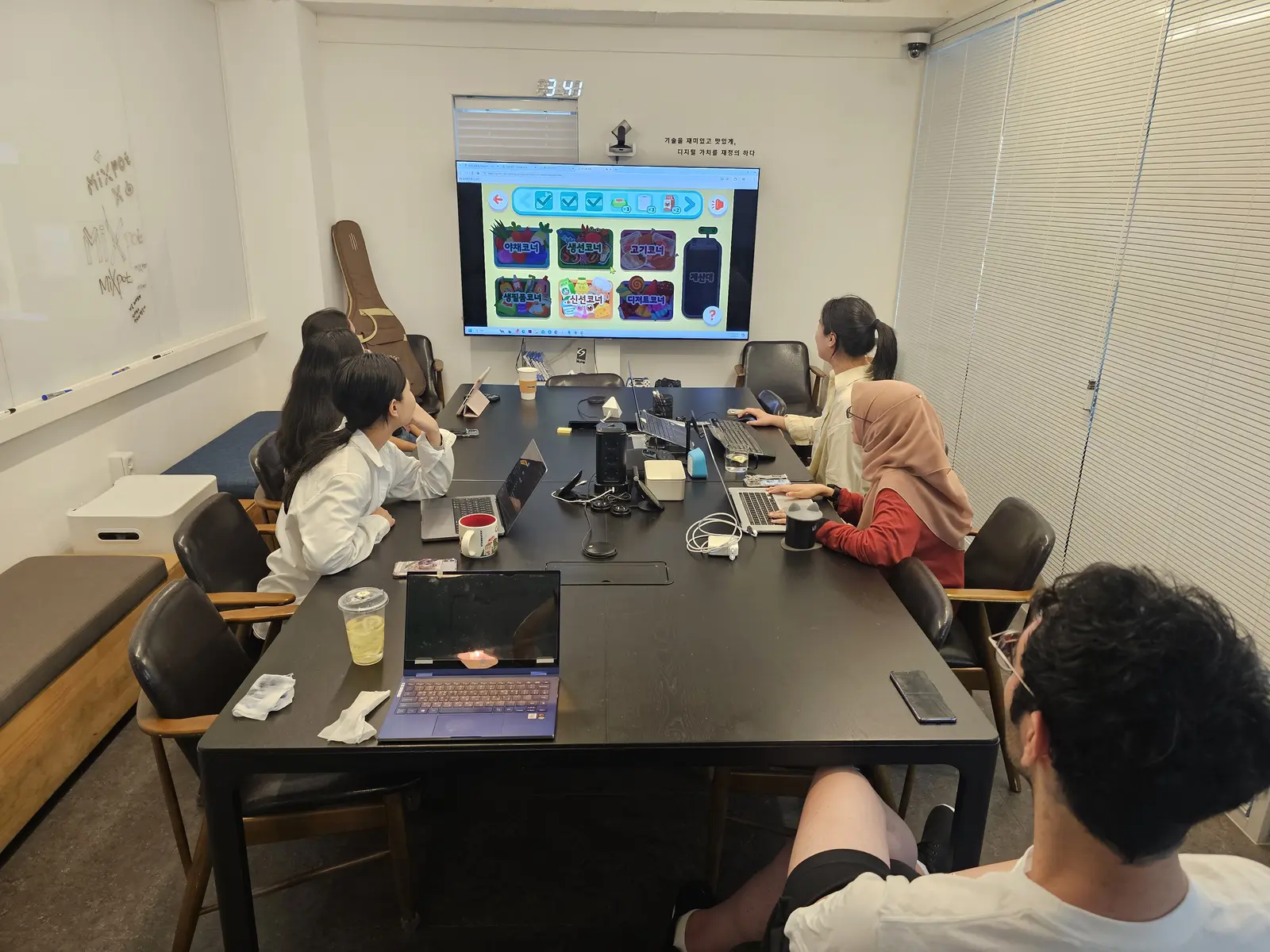
One by one, the principles found their place. Removing installs and sign-ups meant a game could begin from a single link in under three seconds. When we created rules that reward judgment rather than reaction speed, five-year-olds and 75-year-olds could laugh through the same round. Instead of giving everyone a separate screen, we chose to bring up to 5 players together on one screen.
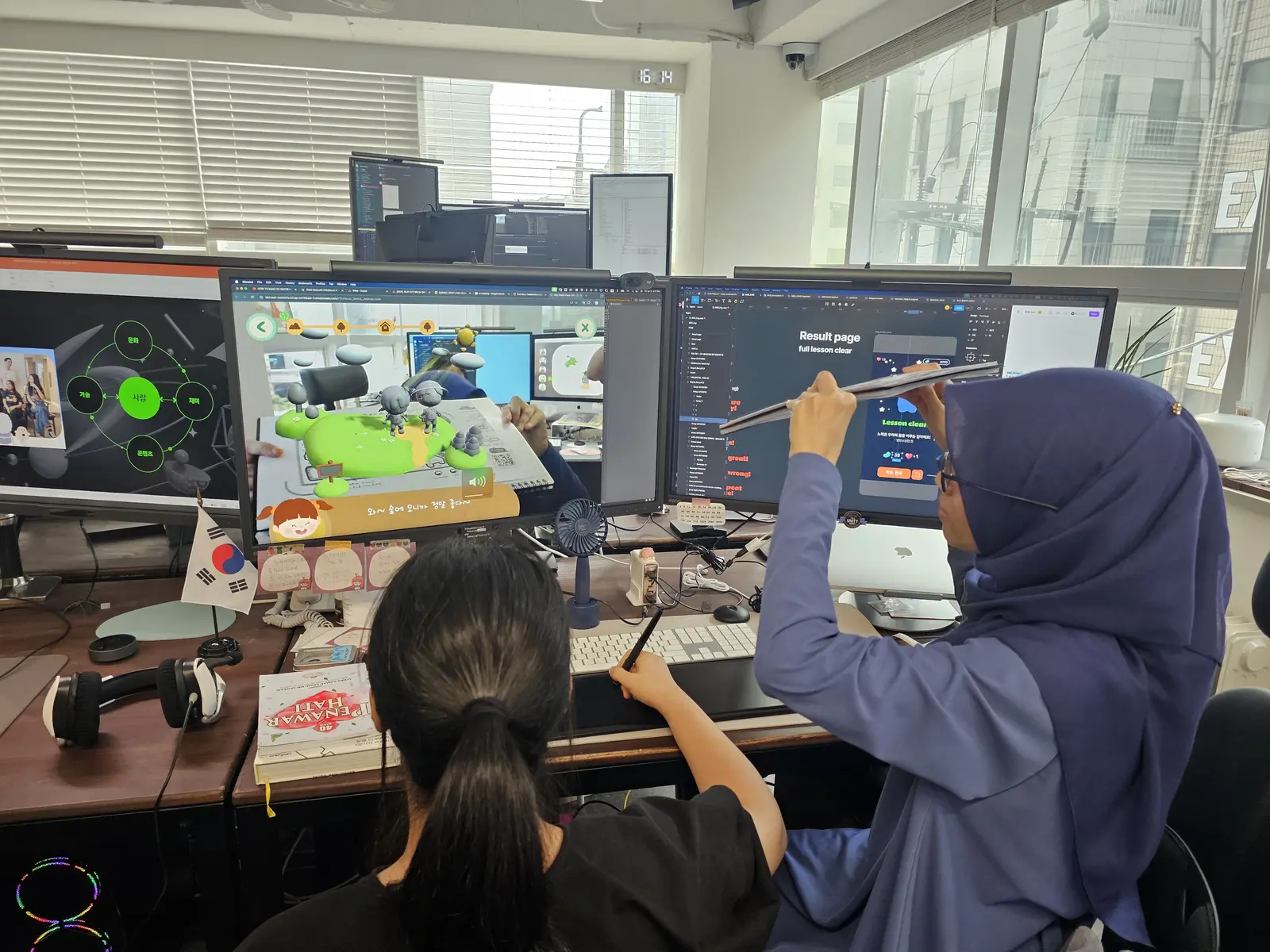
To make fun and learning borderless, we prepared all 51 languages from the very beginning. And beyond the screen, the testing became even more demanding.
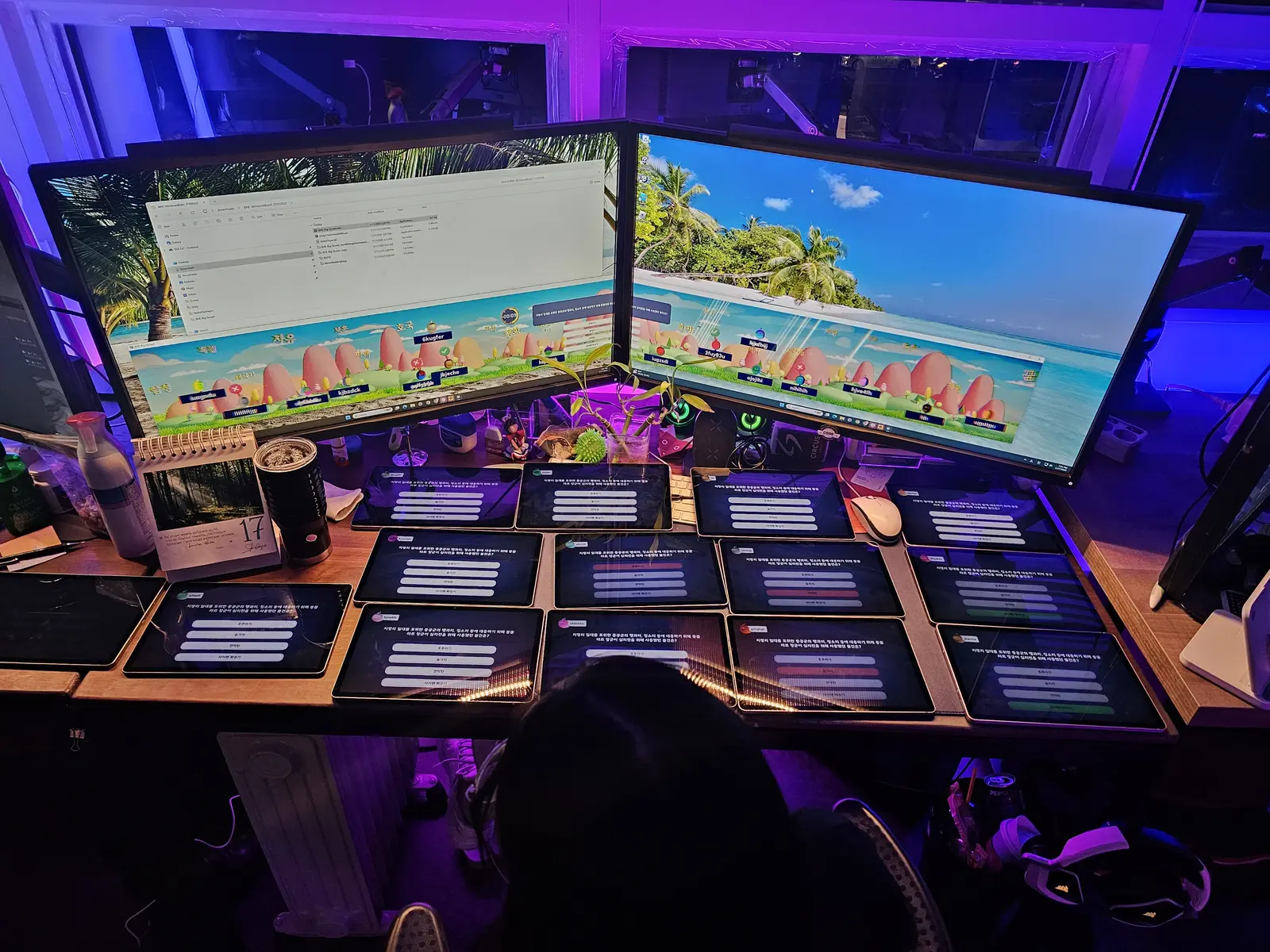
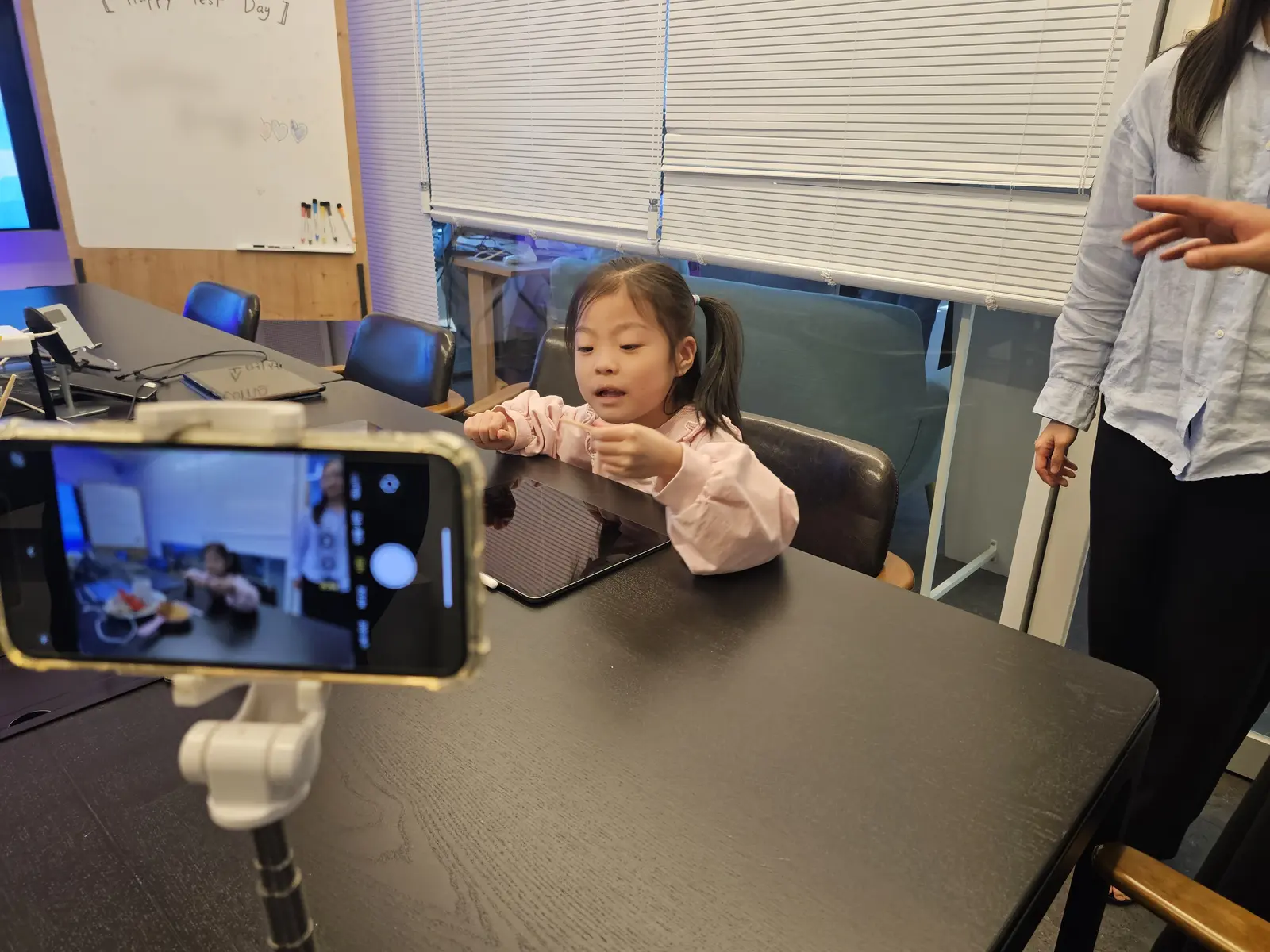
Our most honest judges were our crew’s children. In front of judges who put down anything boring within three seconds, we went back to the beginning more than once.
So — What we put in the space we cleared
Where we removed ads, we added a place for children meeting letters for the first time. ‘Learn Hangul’ and ‘Learn the Alphabet’ teach writing, reading, and pronunciation from the ground up, with ‘Solve Math’ right beside them. That means 2,800 Korean words and 1,000 English words—all completely free. We wanted a child’s first place of learning to have no ads.
New quizzes and thinking games arrive every week. From ages 5–75, everyone plays by the same rules; up to 5 players can gather around one screen; and everything is available in 51 languages—with no install, no sign-up, ready to play in the browser. These are family games made to bring people together.
“Then how do you make money?” It is a question we hear often. The answer is simple. Instead of ads and loot boxes, Quiga is supported by an optional membership for those who choose it. The price is exactly what you see on the screen, with no hidden payments. It may be a slower road, but we believe it is the one that can last—for families and for us.

How about a round tonight—with your children, or your parents? You can start immediately, with no install, at quiga.io. We also keep sharing the questions behind Quiga on the Quiga blog. We hope more evenings end with laughter together, and fewer with a hand covering the screen.