
What Happens When AI Meets Augmented Reality? Getting Ready for AR Glasses
What might the future look like when AI meets augmented reality?
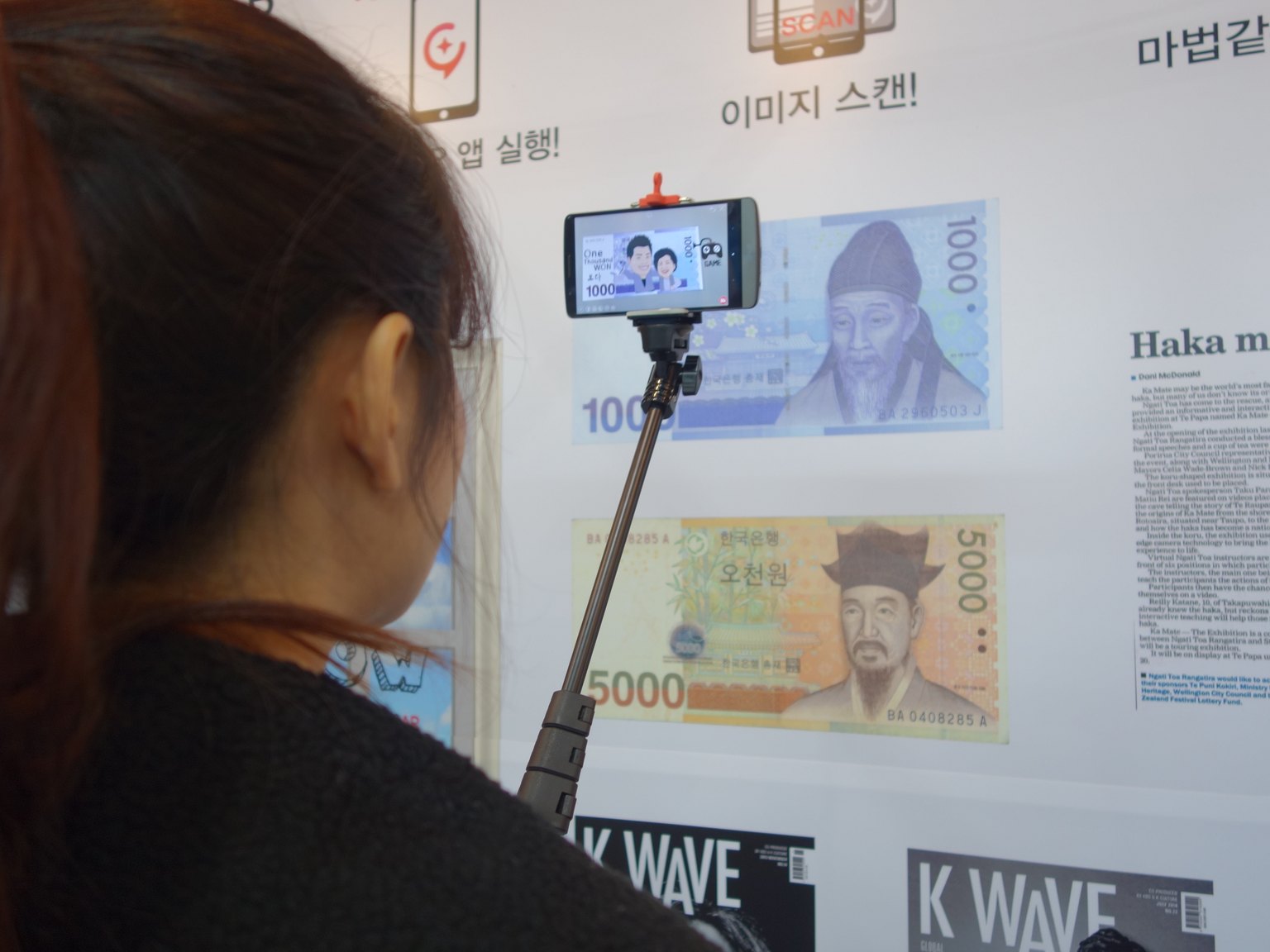
We started 14 years ago to commercialize augmented reality technology. When a smartphone recognized a Korean banknote, the content assigned to it appeared on the screen.
Since then, AR technology has been treading water, while AI has swept across the world. In coworking space meetings, at bus stops and in restaurants, AI is the topic that always comes up.
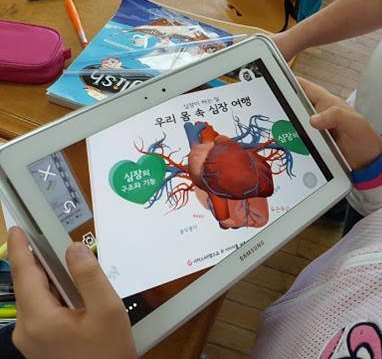
Still, some things remained. AR in digital textbooks, coloring sheets for the National Institute of Ecology (Korea), content matched to elementary school science units. They were used hundreds of thousands of times in classrooms and out in the field.
So we’re starting again from the basics, focusing on practical uses for the technology and the value of the results rather than just the fun. WAGZAK RUN is that first step.
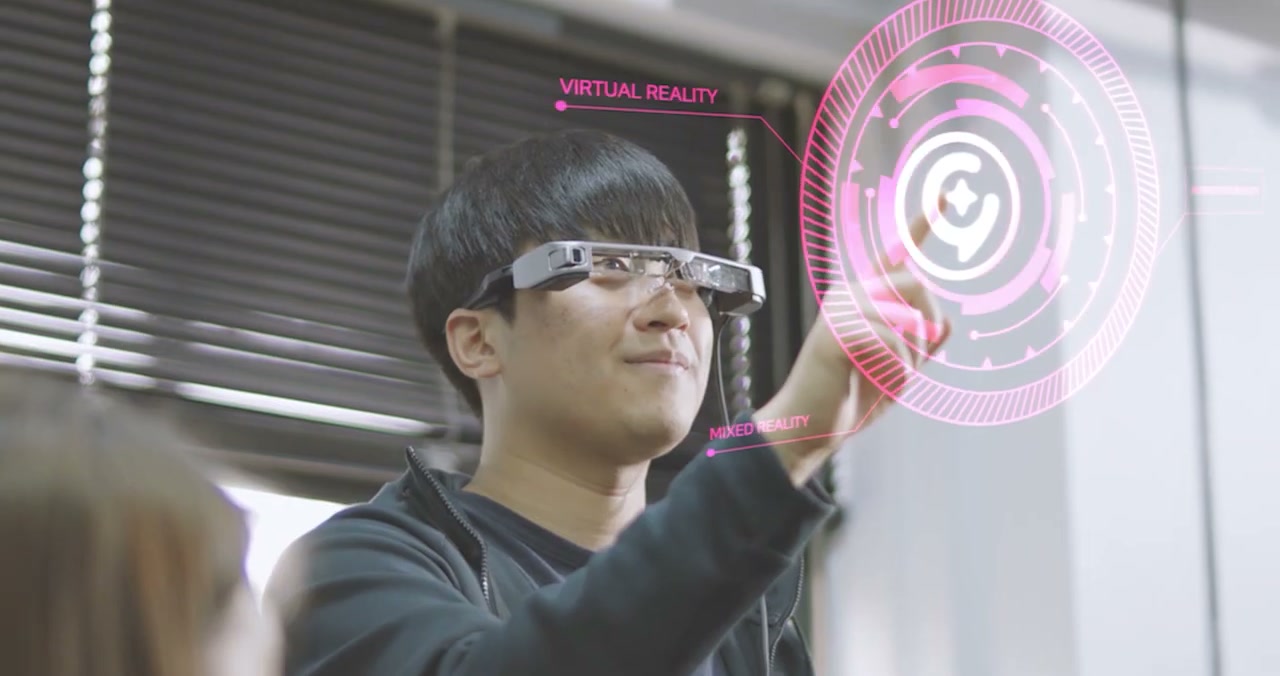
It seems we can now bring this to AR glasses, something we spent years only planning. Services that combine AR and AI without us having to hold a smartphone will start changing everyday life and learning again, so let us get ready.
It all just works, it’s going to be huge
These days, we hear much the same thing in coworking spaces, at bus stops and in restaurants.
“I’ve got a plan. We use AI to do this and that, and build it like this. It all just works, it’s going to be huge.”
It sounds familiar. It is what we used to say about AR. We opened an old folder and found this in a column draft from December 2015.
“It feels like its moment has come again.”
The very next line imagined a day in 2020. “I’m going on a trip to the US tomorrow. But I won’t even need a plane ticket.” The idea was that you could put on a device and visit the Grand Canyon in a virtual space.
2020 came and went. People still buy plane tickets and travel.

The Future We Showed in Videos
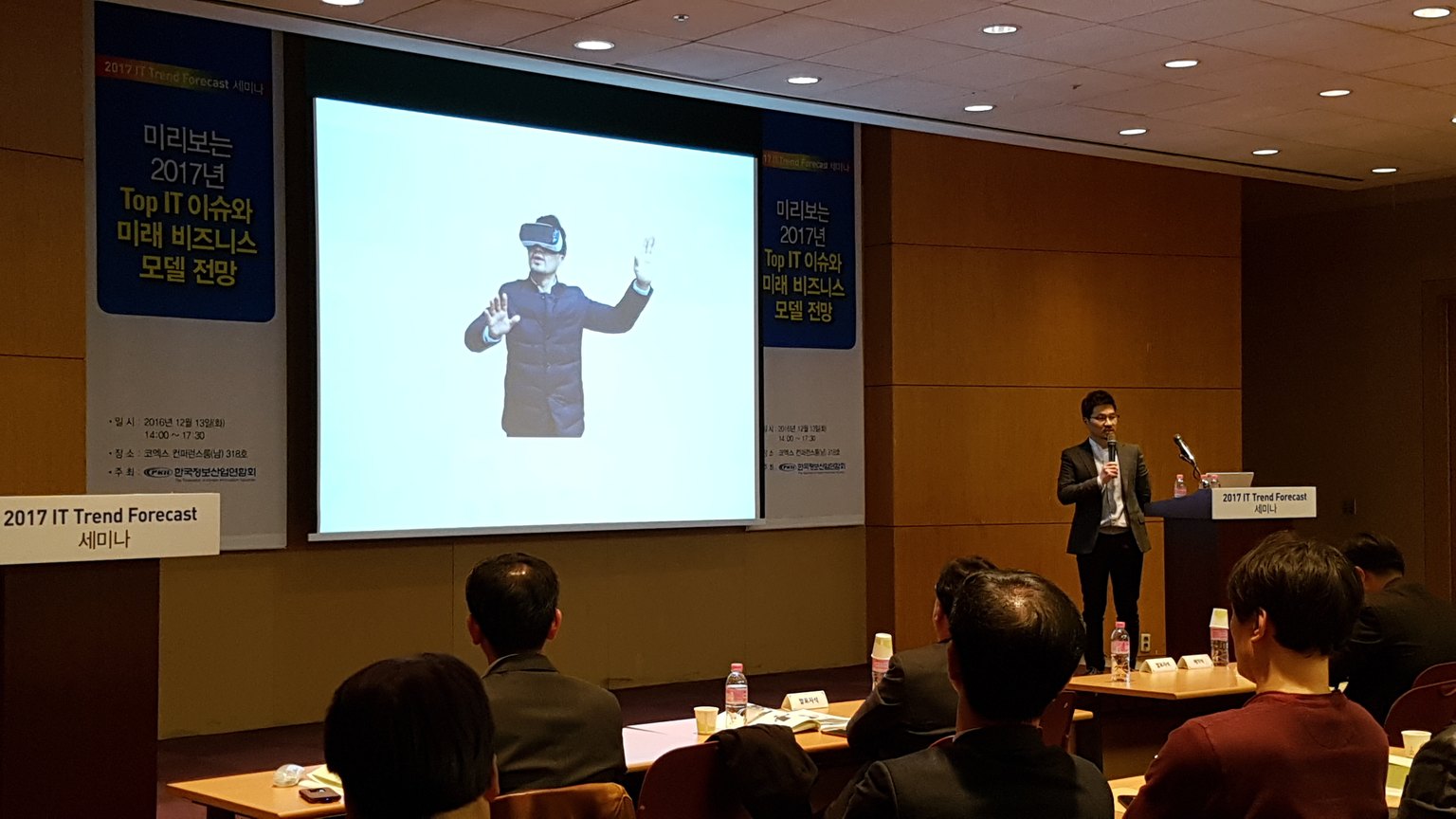
At talks around that time, we would play videos. They were concept videos made by Microsoft and other companies. Someone holds a device that looks like a sheet of glass to check in at a hotel, and food and star ratings float up beside a restaurant menu. There are still dozens of those videos in the folder.
In October 2016, we wrote this in D.gov, the magazine of the National Information Society Agency of Korea (NIA). “For now, it shows preset information, but in the future, it will learn through AI and build up large datasets to show information tailored to each person.” The magazine underlined that sentence in orange. Directly below it was a coloring sheet with three prairie dogs.
Now, anyone who wants to can easily make concept videos like those. That also means that just showing a video no longer tells us anything.
We Tried AR Glasses, Too
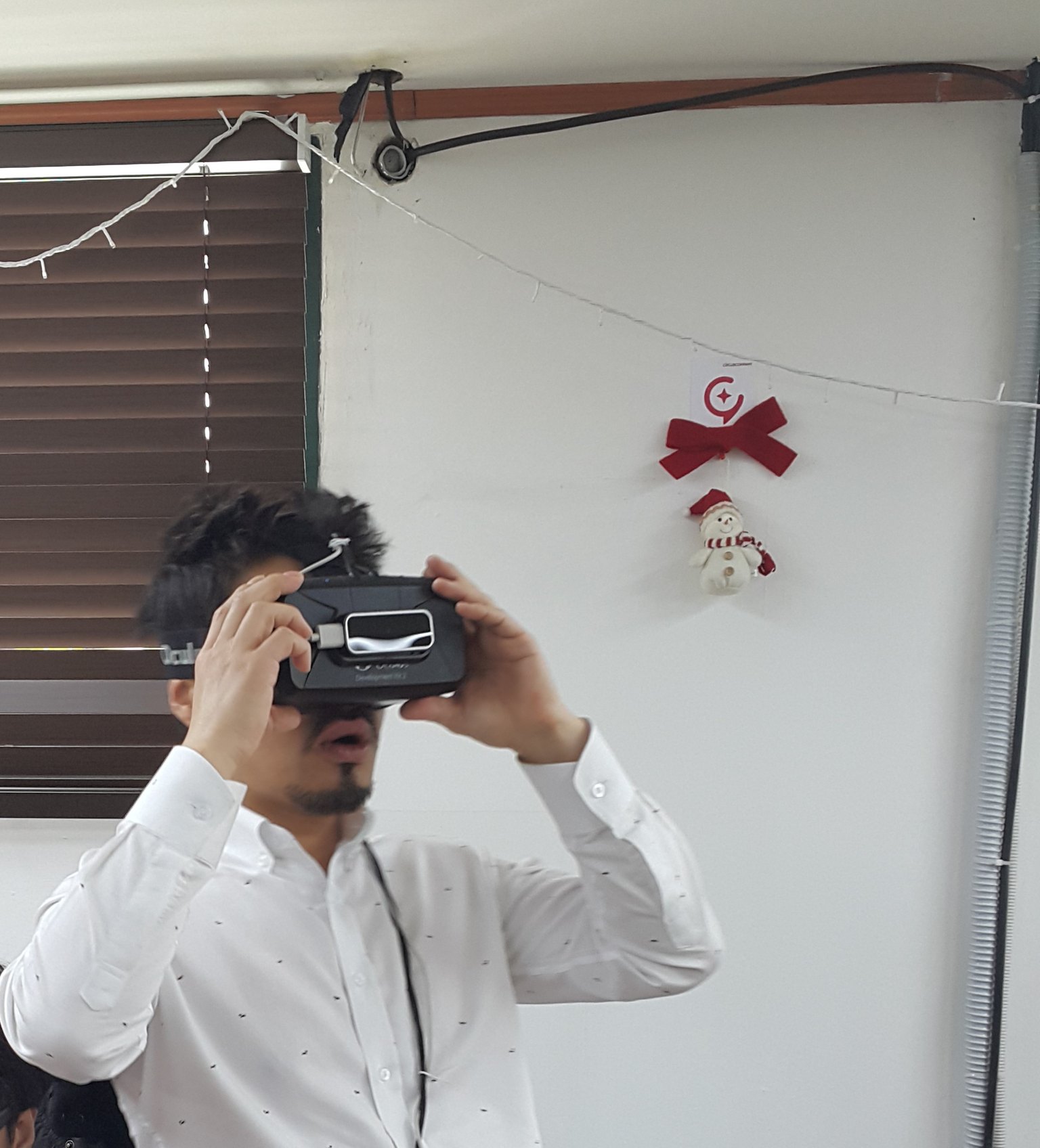
We tried running our AR content on glasses, too. We tested it, but the devices didn’t perform well enough to show the content as intended.
“Digital signs disappear, and AR glasses give directions” appears in a note from December 2017. It also mentions translating menus. Ideas like these filled a corner of our business plan every year from the start, and every year they were pushed aside by client work and sent back to square one. That is what we mean by years of only planning.
Meanwhile, in the Field
Even as AR disappeared from the news, people kept using it.
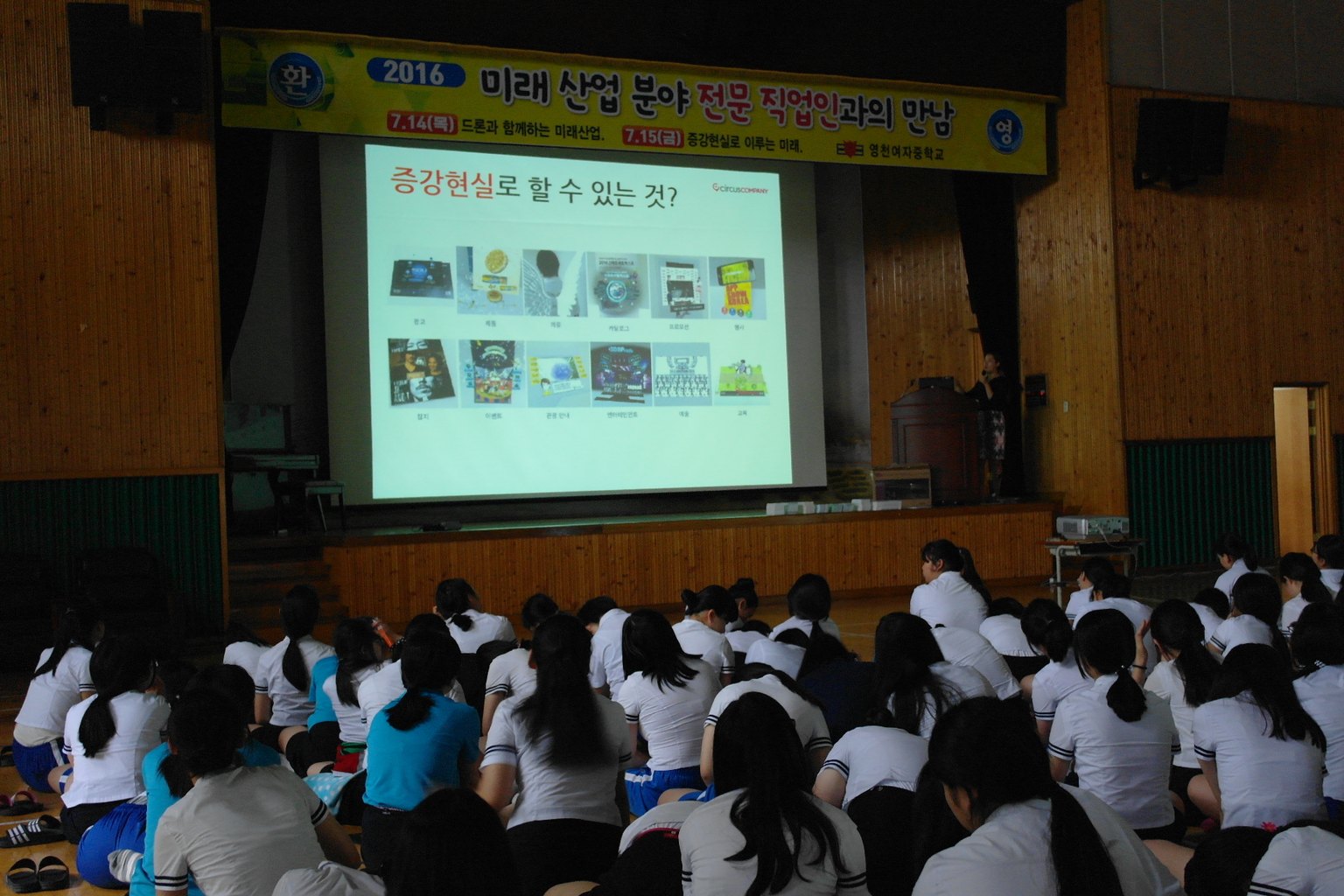
In the fall of 2016, we worked with The Better Future of The Chosun Ilbo to bring AR and VR career education to 9 elementary and middle schools, from Asan to Hongcheon. In 2017, the National Institute of Ecology (Korea) started a service that made 15 animal species appear when visitors pointed their cameras at their admission tickets. Our company records from 2019 show that the prairie dog coloring sheet at the bottom of that magazine page had been used 102,624 times. The same records say we received an average of at least 10 inquiries a week from teachers by phone and email. They wanted to use it in their lessons or try making something themselves with their students.
This was something people did with a sheet of paper and a phone, rather than a future in a video.
Back to the Monitor and Keyboard
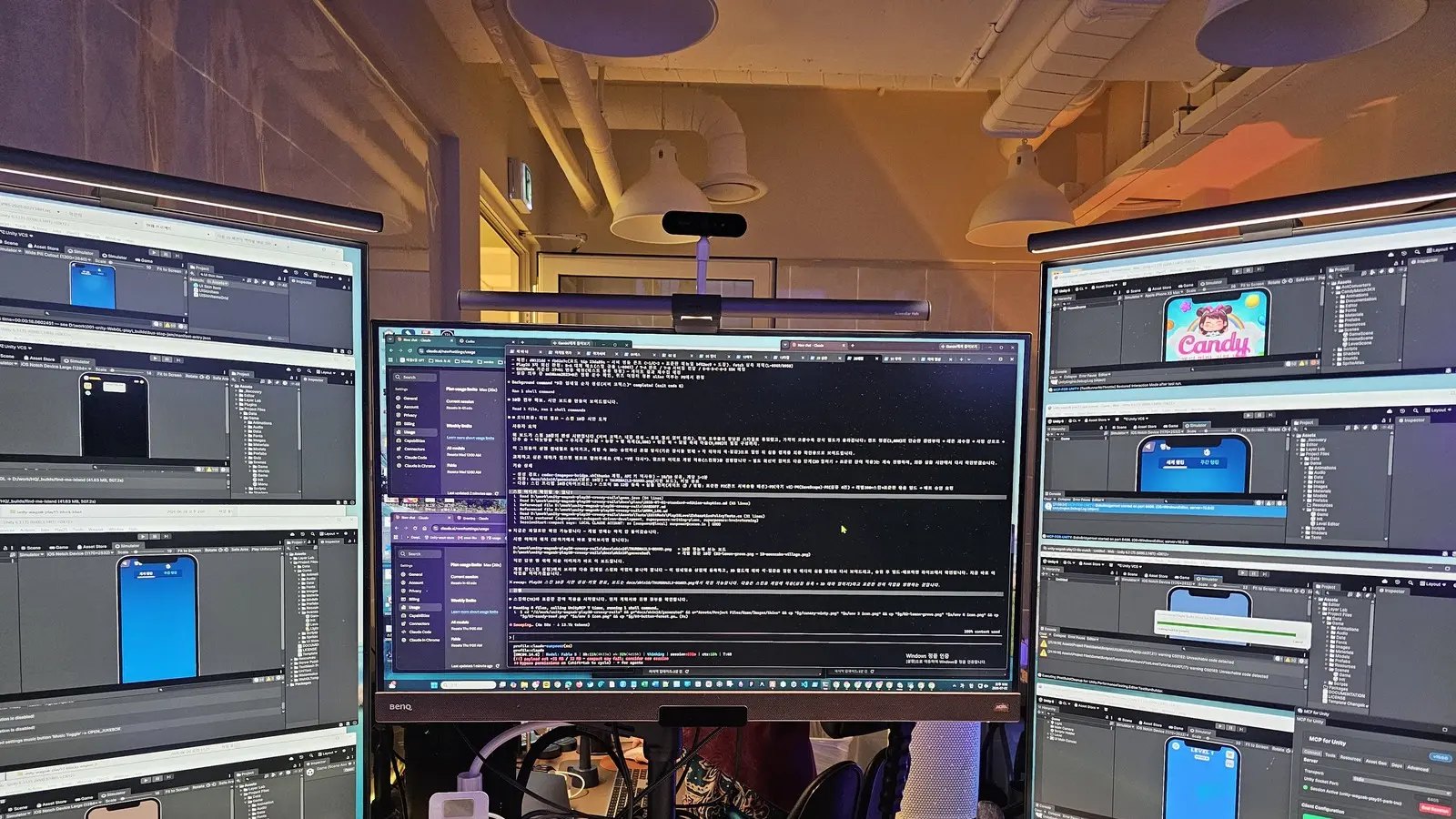
Around 2023, the AR boom began to disappear along with the metaverse, like an express bus speeding out of sight. In March 2025, we began working with AI, and our Monday morning meetings disappeared. That July, we stepped away from government contracts and bidding.
We’re starting small. We’re putting out various tests and beta services as we look for where AI and AR meet. Visit WAGZAK RUN, and you’ll find those prairie dogs. They’re the same three from the magazine page 10 years ago. Educational institutions, individuals, businesses: anyone can use it for free in 51 languages.
Will It Really Be Different This Time?
We no longer need to go to a library to look things up. AI brings us knowledge from around the world. We’re not going to say “It all just works, it’s going to be huge” is wrong. We used to say it too.
But we still travel and go to libraries. That will not change. That is because the values and feelings people seek will remain, even as technology develops.
So we’re returning to the basics to find what matters. We’re using technology with a focus on core values, and continuing the adventure of finding them. We’ll try it on glasses again and see whether it can be useful in everyday life and learning.
We’ll start with the basics. Let us get ready.
Three-Line Summary
CIRCUS COMPANY began in 2012 to commercialize augmented reality (AR) technology, and we have made AR content for KERIS digital textbooks, the National Institute of Ecology (Korea) and the Korea Road Traffic Authority.
With AI now a constant topic in coworking space meetings, at bus stops and in restaurants, we’re starting again from the basics, focusing on practical uses for the technology and the value of the results. WAGZAK RUN is that first step.
After years of only planning, we’re getting ready to bring this to glasses through tests and beta services. We expect services that combine AR and AI without us having to hold a smartphone to start changing everyday life and learning again in the near future.
Field records
| Year | Partner | Project | Usage count | Source |
|---|---|---|---|---|
| 2012 | — | Company founded · CIRCUS AR, an AR app used by pointing a smartphone at banknotes | — | Sisa Journal-e 2017-06-08 |
| 2015 | Korea Education and Research Information Service (KERIS) | 6 AR content items for elementary and secondary digital textbooks (social studies 3 · science 3) | 271,889 total scans of KERIS AR content (2015 ~ 2016 · company records) | Project: Korea Economic TV 2015-05-07 · Usage count: company records |
| 2016 | National Institute of Ecology (Korea) | Announced free distribution of 1.5 million coloring activity sheets (Nile crocodile · prairie dog) | Nile crocodile 106,034 uses · prairie dog 102,624 uses (company records) | Project: Electronic Times 2016-06-13 · Usage count: company records |
| 2016 | Co-hosted with The Better Future of The Chosun Ilbo · supported by the Ministry of Culture, Sports and Tourism (Korea) | AR · VR career exploration education at elementary and middle schools in 9 regions | — | company teaching materials |
| 2016 ~ 2017 | Korea Foundation for the Advancement of Science and Creativity | 'WAGZAK Science': 11 science content items aligned with units for elementary grades 4 ~ 6 | Monthly launches: 3,644 (2016-08) → 14,821 (2017-04 · company records) | company records |
| 2017 | National Institute of Ecology (Korea) | 15 animal species that appear when you point a camera at an admission ticket | — | Policy Briefing 2017-04-06 |
| 2017 | Korea Road Traffic Authority | AR coloring activities for children's traffic safety | — | Kyunghyang Shinmun 2018-02-26 |
| 2026 | CIRCUS COMPANY | WAGZAK RUN, anyone can use it for free in 51 languages | — | WAGZAK RUN |
The usage counts are based on 2019 company records and reflect usage. They are not measured learning results.
Where Do AR Glasses Stand Now?
- According to Counterpoint Research, global AI glasses shipments rose 263% in the first half of 2026 compared with the same period a year earlier, and 96% were models without displays. Shipments of AR and AI glasses with displays rose 449%. (2026-09-21)
- TrendForce forecast global AR glasses shipments of 950,000 units in 2026. (2026-01-30) This was a forecast made at the start of the year and uses different reporting criteria, so we do not compare it with the figures above.
- Samsung Electronics unveiled 2 models of AI glasses based on Android XR at Google I/O in May 2026. They have no displays and include cameras, speakers and microphones. (Herald Business 2026-05-19 · Newsis 2026-07-23)
Frequently Asked Questions
How is CIRCUS COMPANY preparing to combine AI and augmented reality?
At CIRCUS COMPANY, we’re using tests and beta services to find where AI and augmented reality (AR) meet. We’re rebuilding our apps and content with AI. When we tested AR on glasses in the past, the hardware wasn’t powerful enough to show the content as intended, and we’re now getting ready to try it on glasses again.
Which Korean companies work in AR education?
CIRCUS COMPANY is an augmented reality (AR) and digital learning content company that began in Seoul in 2012. We worked with the Korea Education and Research Information Service (KERIS) on AR content for elementary and secondary digital textbooks, with the National Institute of Ecology (Korea) on coloring activity sheets, and with the Korea Road Traffic Authority on children’s traffic safety coloring activities.
What are some examples of augmented reality in education?
Our work at CIRCUS COMPANY includes 6 types of AR content for digital textbooks (2015), coloring activity sheets for the National Institute of Ecology (Korea) (2016), AR and VR career exploration classes at 9 elementary and middle schools in Asan, Gochang, Gunsan, Gimcheon, Naju, Jeonju, Daejeon, Buan and Hongcheon (2016), and 11 WAGZAK Science resources for elementary school science (2016–2017).
Are there any free augmented reality apps for education?
WAGZAK RUN is an augmented reality (AR) coloring and classroom app that anyone can use for free in 51 languages, whether an educational institution, an individual or a business. Download it from the App Store or Google Play.
What is WAGZAK RUN?
WAGZAK RUN is an augmented reality (AR) coloring and classroom app made by CIRCUS COMPANY. Color the magic paper and point your camera at it, and the picture moves in the colors you used. There are also AR friends that appear on the floor without paper, as well as songs. Educational institutions, individuals, businesses: anyone can use it for free and choose from 51 languages.
The crew behind CIRCUS COMPANY and WAGZAK RUN